
Africa CDC and WHO Unveil Comprehensive Ebola Response Plan for Bundibugyo Virus Outbreak

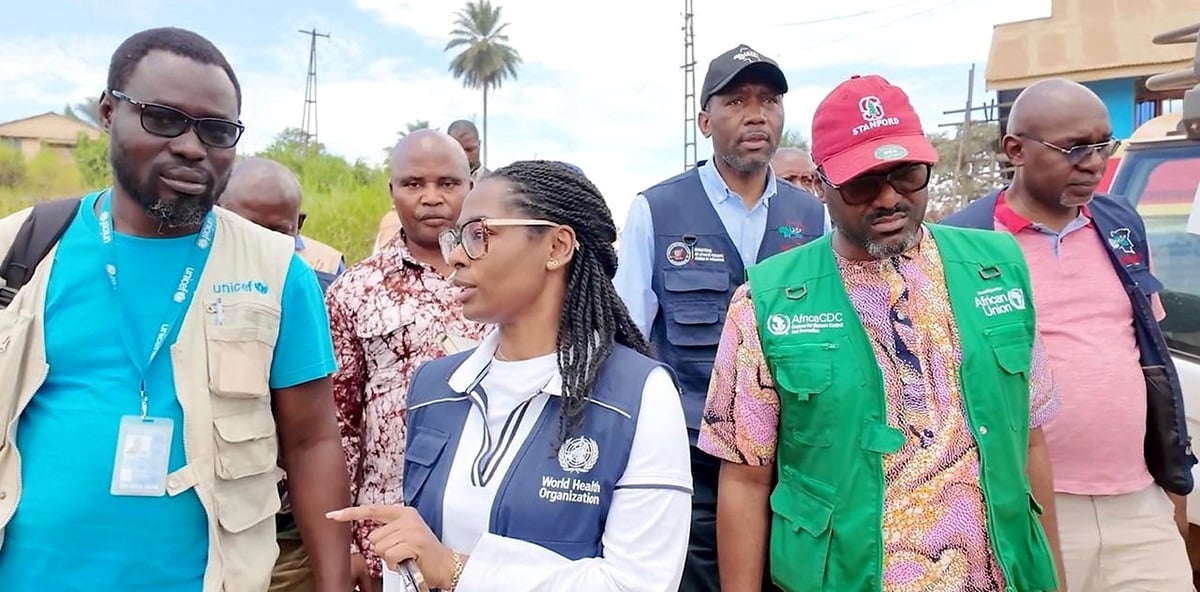
The Africa Centres for Disease Control and Prevention (Africa CDC) and the World Health Organization (WHO) have collaborated to initiate a comprehensive continental response plan to tackle the Ebola outbreak caused by the Bundibugyo virus. The initiative aims to secure $518 million to assist African nations in preparing for, detecting, and responding to the outbreak effectively.
This six-month strategy, spanning June to November 2026, unites governments, partners, and communities through a ‘One Response’ approach. The plan seeks to enhance outbreak response activities, including emergency coordination, disease surveillance, laboratory testing, infection prevention and control, clinical care, community engagement, research, logistics, and support for essential health services. It is designed to complement the national response plans of the Democratic Republic of the Congo and Uganda.
“The only way to effectively combat this outbreak is through a collaborative partnership, guided by a simple principle: one plan, one budget, one team,” said Dr. Tedros Adhanom Ghebreyesus, WHO Director-General. “Success relies on political commitment, sustained funding, and active community participation.”
Dr. Jean Kaseya, Director-General of Africa CDC, emphasized the urgency, stating, “Ebola moves rapidly, and Africa must respond even faster. This joint plan provides the continent with a clear strategy to act swiftly and cohesively, aiming to save lives, support affected countries, and protect neighboring communities.”
Key Focus Areas
- Protecting vulnerable populations and strengthening cross-border collaboration.
- Supporting countries in responding rapidly to new Ebola cases.
- Enhancing health systems to ensure resilience amid health emergencies.
Given that there are no licensed vaccines or approved treatments specifically for the Bundibugyo species of Ebola, the plan emphasizes strengthening health systems. Implementation of preparedness and response activities is already in progress in affected and at-risk regions, with critical measures being bolstered in 10 priority countries.
The initiative also seeks to maintain support for other health emergencies, such as mpox, cholera, and measles, to prevent disruptions to critical response efforts and bolster the resilience of health systems. The Democratic Republic of the Congo, with support from Africa CDC, WHO, and partners, is intensifying efforts to contain the virus.
Africa CDC and WHO are urging Member States to enhance screening and public health measures at entry points and foster cross-border coordination to ensure a timely and evidence-based response to the outbreak.
The joint response plan aims to mobilize collective expertise and resources, reinforcing efforts to control the outbreak and protect communities across the continent. Its successful implementation will require strong political commitment, sustained investment, and close collaboration among governments, health workers, communities, and partners.
Drawing on lessons from previous Ebola outbreaks and recent public health emergencies, the plan provides a framework to enhance Africa’s capacity to prevent, detect, and respond to future health threats, safeguarding lives and livelihoods.
About the Organizations
Africa CDC: As the public health agency of the African Union, Africa CDC supports AU Member States in strengthening health systems, improving disease surveillance, and enhancing emergency preparedness and response. For more information, visit www.africacdc.org.
WHO: Dedicated to global well-being and guided by science, WHO leads international health efforts, preventing disease and expanding access to healthcare. For more information, follow WHO on their official platforms.
Consult your doctor for medical advice and updates on the Ebola outbreak response.


