Reimagining higher education with the Waterloo Futures Lab

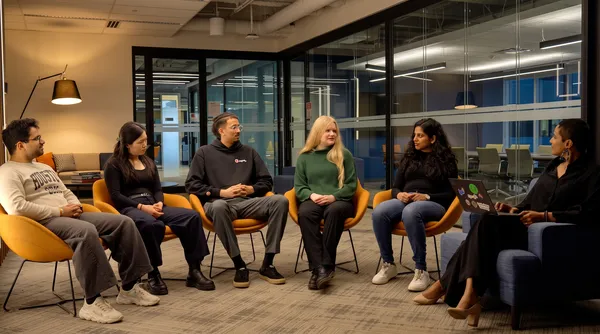
The Futures Lab, a collaborative initiative launched a year ago by Google and the University of Waterloo, aims to equip students of various disciplines with the skills needed for the evolving job market through the creation of real-world AI tools.
Google’s partnership with the University of Waterloo led to the establishment of the Futures Lab, an intensive eight-week program designed to help students construct artificial intelligence prototypes under the guidance of experienced mentors. This effort enables students from all fields of study to acquire essential technical skills, enhance their communication abilities, and build the confidence required for future careers. The program is detailed in a report that highlights its role in preparing graduates to navigate an increasingly automated workforce.
As AI continues to transform entry-level positions, universities are challenged to ensure their graduates remain competitive and adaptable in this new landscape. In response, the Futures Lab program offers students the opportunity to gain hands-on experience in developing AI projects that solve practical problems. Participants collaborate with Google mentors to create AI prototypes aimed at addressing everyday learning challenges. Some past projects include “SignFluent,” a tool for real-time feedback in American Sign Language, and “Kanji Garden,” an application that uses AI-generated stories and visuals to teach Japanese.
Following a year of the Futures Lab, an evaluation of its impact was conducted through discussions with alumni, faculty, and administration. These evaluations demonstrated the program’s effectiveness in preparing graduates for career success and highlighted potential for expanding its influence.
Five Key Benefits of the Futures Lab:
- Hands-on “vibe coding” experience: The program offers a supportive environment for students to develop real technologies, providing empowerment particularly for those from non-technical backgrounds.
- Practical application of design thinking: Students engage with real users to test and refine their projects, enhancing their understanding of design processes.
- Interdisciplinary team collaboration: Participants from various fields, such as biology, finance, and environmental conservation, learn to work together, reflecting real-world professional settings.
- Development of crucial communication skills: The program helps students gain confidence in public speaking, master concise storytelling with 30-second pitches, and effectively communicate complex technical concepts to non-specialists.
- Increased career readiness and credibility: Students leverage their projects in job interviews, gaining a competitive edge in the workforce.
The Futures Lab exemplifies how higher education can adapt to contemporary challenges, transforming student anxiety about automation into opportunities for growth and preparedness. By fostering an environment where students confidently integrate AI into their lives and careers, the program offers a hopeful outlook on the future of education.